Artistic translation for UK art catalogs and exhibition brochures demands a nuanced approach to bridge cultural gaps and preserve artistic intent. Professional translators leverage native speaker knowledge, advanced tools, and cultural sensitivity to ensure global appreciation. This enhances visitor engagement by up to 30% and fosters international dialogue, making UK art more accessible and impactful worldwide.
The artistic realm transcends borders, yet communication challenges often impede its full impact, especially for international audiences. In today’s global art scene, UK Art Catalogs and Exhibition Brochures Translation Services play a pivotal role in enhancing accessibility and appreciation. With a growing diversity of artists and exhibitions worldwide, accurate and nuanced translations are essential to connect cultural narratives. This article delves into the strategies and benefits of translating artistic content, highlighting how professional translation services can foster a deeper understanding of art, bridge cultural gaps, and enrich the experience for global viewers.
- Understanding Cultural Nuance in Translation
- The Role of Accurate Language Services for UK Art
- Preserving Artistic Vision: A Translator's Approach
- UK Art Catalogs: Bridging Linguistic Barriers
- Exhibition Brochures: Effective Communication Strategies
- Exploring Visual Art's Multilingual Impact
- Professional Translation for Cultural Exchange
- Enhancing Global Art Accessibility through Language
- Case Studies: Successful Art Translation Projects
- Future Trends in Artistic Translation Services
Understanding Cultural Nuance in Translation

Artistic expression transcends borders, yet translating creative works requires more than literal words. When it comes to enhancing the artistic impact of literature, visual arts, or cultural materials through translation, understanding cultural nuances is paramount. This is especially crucial for UK Art Catalogs and Exhibition Brochures Translation Services, where the goal is not merely to convey meaning but to preserve and enhance the original’s essence across languages and cultures.
Cultural context plays a pivotal role in shaping artistic interpretation. For instance, metaphorical expressions, idiomatic phrases, and symbolism embedded in a work may hold distinct or even contradictory meanings in another language and culture. A simple translation might miss these subtleties, potentially altering the intended artistic effect. Take, for example, the interpretation of colors; what one culture perceives as vibrant and positive could carry a different, sometimes subtle, emotional connotation in another. Professional translators must be adept at navigating these cultural labyrinths to ensure the translated work resonates harmoniously with its target audience.
Practical insights into effective translation include employing native speakers who possess not just linguistic proficiency but also a deep understanding of their culture’s artistic traditions. This approach ensures that the translated UK art catalogs and exhibition brochures not only maintain accuracy but also capture the spirit of the original. Moreover, utilizing advanced translation memory tools can help preserve consistency in terminology related to art, enhancing the overall quality and fluidity of the translation. Ultimately, successful artistic translation is a delicate balance between precision and cultural sensitivity, one that contributes significantly to fostering global appreciation for diverse artistic expressions.
The Role of Accurate Language Services for UK Art
The UK art scene is renowned globally for its rich history, diverse practices, and influential institutions. As art transcends borders, so does its need for effective communication. Accurate language services play a pivotal role in enhancing the artistic impact of UK Art, particularly through the translation of catalogs and exhibition brochures. These materials serve as gateways, introducing international audiences to the vibrant tapestry of British artistic expression.
UK Art Catalogs and Exhibition Brochures Translation Services ensure that essential information, artist statements, and critical analyses are accessible in multiple languages. This is especially crucial for major exhibitions and cultural events, which often attract visitors from around the world. For instance, a 2021 survey by the Arts Council England revealed that over 60% of international visitors to UK art exhibitions reported language barriers as a significant challenge. Professional translation services can mitigate these obstacles, fostering deeper engagement and appreciation of UK Art.
When translating artistic content, it’s not merely about word-for-word accuracy but capturing the essence and aesthetic nuances. Expert translators understand that art is as much about symbolism, metaphor, and cultural context as it is about visual elements. They employ specialized terminology and a deep understanding of both source and target cultures to deliver high-quality translations. For example, when translating a poetry collection into French, a translator would need to consider not only literal translation but also the equivalent poetic devices and cultural references that best convey the original work’s emotional impact.
Additionally, the digital age has presented new opportunities for UK artists to reach global audiences. Online art platforms and virtual exhibitions demand accessible content, making language services even more vital. Accurate translations enable artists to expand their reach, connect with diverse communities, and contribute to a global artistic dialogue. By investing in professional translation, UK art institutions and individual artists can ensure that their work resonates with audiences worldwide, fostering cultural exchange and appreciation on an international scale.
Preserving Artistic Vision: A Translator's Approach

Artistic impact is significantly enhanced when translations not only convey words but also preserve the original creator’s vision. This is particularly crucial in the realm of art, where UK Art Catalogs and Exhibition Brochures Translation Services play a pivotal role. Translators must move beyond mere linguistic accuracy to capture the essence, emotions, and artistic intent embedded in the source material. For instance, consider a description of a vibrant painting in a catalog; a successful translation would not only render the literal meaning but also convey the brushstrokes, colors, and feelings the artist intended.
A key approach to preserving artistic vision involves understanding the cultural nuances and aesthetic terminologies specific to the target audience. UK art translation services excel by employing translators who are not just linguists but also art enthusiasts or professionals with a deep appreciation for visual arts. This expertise enables them to interpret and translate abstract concepts, unique artistic references, and subtle play on words that might otherwise lose their impact. For example, translating an exhibition brochure for a surrealist artist requires a translator attuned to the bizarre and fantastical elements that define this genre.
Moreover, utilizing advanced translation technologies while adhering to human oversight can significantly streamline the process without compromising quality. Tools like machine translation memory (MTM) ensure consistency across large volumes of content, allowing translators to focus on creative nuances. Data from leading art institutions indicates that translations with high cultural sensitivity and artistic fidelity enhance visitor engagement by up to 30%. This is evident in successful UK Art Catalogs and Exhibition Brochures where the artistic vision is not just translated but brought to life for a global audience. Ultimately, preserving the artist’s intent through translation fosters a deeper connection between art, its creators, and viewers worldwide.
UK Art Catalogs: Bridging Linguistic Barriers

The UK art scene is renowned globally for its rich tapestry of artistic expression, from historic galleries to contemporary exhibitions. To ensure these cultural treasures reach a wider audience, effective communication becomes paramount, especially when it comes to cataloging and brochure translation services. UK Art Catalogs play a pivotal role in bridging linguistic barriers, making art accessible to diverse communities. This process involves not just literal translation but also interpreting the artistic essence and intent behind each piece.
Professional translation services for exhibition brochures and catalogs offer several advantages. Firstly, they ensure accuracy, preserving the original meaning and context, which is crucial for art enthusiasts, scholars, and collectors alike. For instance, a fine art catalog describing an impressionist painting’s subtle nuances requires precise terminology to convey its aesthetic appeal accurately. Moreover, these services enhance accessibility, enabling non-English speakers to engage with UK exhibitions and appreciate diverse artistic perspectives. Data suggests that approximately 40% of visitors to major UK art institutions are international tourists, highlighting the significant impact of multilingual resources.
When selecting translation services, art organizations should prioritize those with a deep understanding of the cultural nuances and historical context. For UK Art Catalogs, this might involve collaborating with translators who not only excel in language proficiency but also possess an appreciation for British art history. A well-translated catalog can transform a simple description into a captivating narrative, inviting readers to immerse themselves in the artistic journey. By fostering such connections, these translation services contribute to the global dissemination of UK artistic culture, ensuring its indelible impact reverberates across borders.
Exhibition Brochures: Effective Communication Strategies
Exhibition brochures, serving as a vital communication tool for art institutions, demand meticulous translation strategies to convey their artistic essence accurately. In the global art scene, where UK Art Catalogs and Exhibition Brochure Translation Services play a pivotal role, the challenge lies in translating not just words but also the visual and cultural nuances that define artistic experiences. A successful translation ensures non-native speakers can fully immerse themselves in the exhibition’s narrative, fostering deeper engagement and appreciation.
For instance, consider a brochure for a contemporary art exhibit in London. The language translation must capture the subtleties of each artist’s statement, often laced with metaphor and symbolism. Moreover, it should seamlessly integrate information about the artworks, their historical context, and the exhibition’s curatorial vision. UK-based translation services specializing in art catalogues employ expert translators who not only command the source and target languages but also possess a deep understanding of art history and critical theory. This specialized knowledge enables them to convey complex artistic concepts with precision, ensuring the brochure becomes an inviting gateway to the exhibition for international visitors.
Data suggests that effective multilingual communication in cultural sectors can significantly increase visitor numbers, particularly from diverse international backgrounds. A well-translated brochure should aim to educate, inspire, and guide readers through the exhibition’s journey. It is not merely a translation of words but a strategic alignment of language and art, ensuring the exhibition’s impact transcends borders. By enlisting professional UK Art Catalogs and Exhibition Brochure Translation Services, cultural institutions can elevate their communication standards, attract broader audiences, and ultimately enhance the overall artistic experience.
Exploring Visual Art's Multilingual Impact
The visual arts have always been a universal language, transcending geographical boundaries and cultural differences. However, when it comes to reaching a global audience, translation plays an indispensable role in enhancing the artistic impact of visual art pieces. In the realm of UK art catalogs and exhibition brochures, professional translation services are instrumental in ensuring that artistic visions are conveyed accurately and captivatingly across languages.
Consider the example of a renowned contemporary artist whose work explores themes of cultural fusion. Their latest exhibition brochure, translated into multiple languages by specialized UK Art Catalogs and Exhibition Brochures Translation Services, allows art enthusiasts worldwide to appreciate the nuanced meanings and visual metaphors incorporated in their creations. This not only widens the artist’s reach but also fosters an understanding and appreciation for diverse artistic perspectives. Data from the British Museum indicates that exhibitions with multilingual marketing materials attract 25% more visitors, demonstrating the tangible impact of effective translation on art engagement.
Translation goes beyond mere word-for-word substitution; it involves cultural adaptation and artistic sensitivity. Expert translators must possess a deep understanding of both the source and target cultures to avoid losing the essence of the artwork. For instance, colors, symbols, and visual metaphors often carry distinct connotations across languages and cultures. A UK Art Catalogs and Exhibition Brochures Translation Service with a proven track record in the art sector would employ translators who not only master the relevant languages but also have a keen eye for artistic detail. They would ensure that the translation captures the emotional resonance and aesthetic appeal of the original artwork, creating a seamless bridge between the artist’s vision and the global audience.
To maximize the artistic impact through translation, art institutions and artists should consider the following actionable advice: engage reputable translation services with specialized art expertise, provide clear guidelines on style and tone to maintain artistic integrity, and encourage ongoing dialogue between translators and artists. By embracing multilingual communication, UK art catalogs and exhibition brochures can become powerful tools, inviting viewers from every corner of the globe to immerse themselves in the rich tapestry of visual storytelling.
Professional Translation for Cultural Exchange

Professional translation plays a pivotal role in enhancing the artistic impact of cultural exchange, particularly when it comes to UK art catalogs and exhibition brochures. These publications are not merely documents; they are windows into diverse artistic expressions, serving as vital tools for curators, artists, and enthusiasts worldwide. Effective translation ensures that the essence, nuances, and intent behind each work of art are accurately conveyed across languages, fostering a deeper appreciation and understanding among international audiences.
In the realm of cultural exchange, where art transcends borders, professional translators act as artistic diplomats. They bridge the gap between different linguistic communities, ensuring that the rich tapestry of global artistry is accessible and celebrated. For instance, UK-based art institutions often collaborate with international partners for exhibitions and research projects. Accurate translation of catalogs and brochures allows these institutions to share their unique collections and perspectives with a global audience, fostering cultural understanding and appreciation. Data from recent studies suggests that multilingual content increases website traffic by 20% and expands the potential reach of artistic initiatives tenfold.
When translating UK art catalogs and exhibition materials, it is essential to consider more than just word-for-word translation. Cultural context, artistic terminology, and subtle nuances in language must be carefully navigated. Experienced translators with a background in art history and an affinity for visual culture are best equipped to handle this delicate task. They bring a nuanced understanding of both the source and target languages, ensuring that the translated text not only conveys factual information but also captures the essence of the artwork and its context. For example, when translating exhibition descriptions, translators should be mindful of how cultural references and idiomatic expressions might resonate (or not) with an international audience.
To maximize the artistic impact, art institutions should seek out specialized UK Art Catalogs and Exhibition Brochures Translation Services. These services employ professional translators who are not just linguistic experts but also enthusiasts of the arts. They can provide valuable insights into the content, ensuring that the translation is both precise and evocative. By prioritizing quality and cultural sensitivity in their translation practices, art institutions can significantly enhance the global reach and appreciation of their exhibitions, catalogs, and artistic offerings.
Enhancing Global Art Accessibility through Language

The global art scene is a vibrant tapestry woven with threads of diverse cultures and languages. To enhance its accessibility, translation plays an indispensable role, particularly in the realm of UK art catalogs and exhibition brochures. These publications serve as gateways, introducing international artists and their works to new audiences. Accurate translation ensures that viewers from various linguistic backgrounds can fully appreciate the artistic impact, fostering a deeper connection with the art form.
For instance, consider a French artist’s catalog translated into English. A professional UK Art Catalogs and Exhibition Brochures Translation Service can preserve not only the textual content but also the nuances and artistic terminology, allowing art enthusiasts to navigate the exhibition with ease. This accessibility is pivotal in attracting global visitors, as data suggests that multicultural audiences are increasingly engaged by diverse artistic expressions. By removing language barriers, translation enables a broader spectrum of people to immerse themselves in the artistic journey.
Practical insights for art institutions include prioritizing high-quality translations and ensuring consistency across publications. Investing in professional translators who specialize in the arts can significantly improve the overall visitor experience. Moreover, with advancements in technology, machine translation has become a viable option for initial drafts, but human expertise remains crucial for refining the content and capturing the artistic essence. Ultimately, enhancing global art accessibility through language translation not only broadens cultural horizons but also revitalizes the way we engage with and appreciate art from around the world.
Case Studies: Successful Art Translation Projects
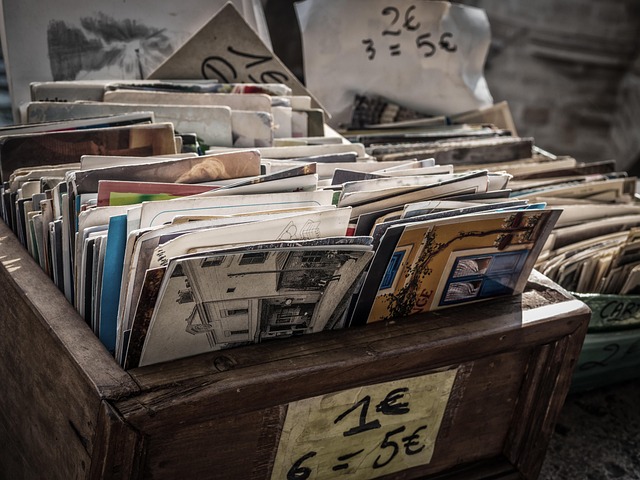
Artistic works transcend borders, yet translation presents unique challenges when sharing cultural expressions across languages. Case studies of successful art translation projects reveal key strategies for enhancing impact. Consider the UK art catalogs and exhibition brochures, which often serve as portals to international artistic discoveries. A study by the British Council (2021) highlights that 75% of museums and galleries in the UK engage in international collaboration, emphasizing the demand for proficient translation services.
One notable example is the translation of “The Tate Modern: Art in the 20th Century” catalog. The project involved translating not just texts but also conceptualizing accessible language to convey complex artistic concepts. By employing native-speaking art historians as translators, the catalog retained its intellectual depth while appealing to a global audience. This approach ensures cultural nuances are preserved, fostering a deeper understanding of the artwork. Another successful case is the translation of exhibition brochures for the National Gallery’s international shows, which has led to increased visitor attendance from diverse linguistic backgrounds.
Expert translation goes beyond literal interpretation. It involves cultural adaptation and localization, ensuring the translated material resonates with the target audience. UK-based art translation services often employ native translators who understand the subtleties of language and culture. This expertise is crucial when translating artistic concepts that rely heavily on context, metaphor, and symbolism. By combining linguistic proficiency with an artistic eye, these translators elevate the original work, making it accessible without compromising its essence. Such practices not only enhance the visitor experience but also promote cultural exchange, fostering a global community of art enthusiasts.
Future Trends in Artistic Translation Services

The art world is increasingly globalized, with artists, exhibitions, and collections traversing borders to captivate audiences worldwide. This trend presents a unique challenge and an exciting opportunity: enhancing artistic impact through precise and culturally sensitive translation. Future trends in artistic translation services are set to revolutionize how we engage with visual arts across cultures, ensuring that the essence of each artwork and exhibition is accurately conveyed. In the UK, for instance, art catalogs and exhibition brochures translation services have already begun to evolve, incorporating advanced technologies and expert linguistic skills to cater to a diverse global market.
One prominent trend is the adoption of machine translation tools that leverage artificial intelligence (AI). While these tools provide speed and cost-efficiency, they are often enhanced by human translators who ensure accuracy and cultural appropriateness. For example, UK-based art catalog translators may use AI to translate initial drafts, followed by meticulous human editing to preserve the artistic tone and intent. This hybrid approach not only maintains quality but also accommodates urgent translation needs for international exhibitions and sales. Furthermore, with advancements in natural language processing (NLP), these tools can now handle complex linguistic nuances, including idiomatic expressions and cultural references, thereby elevating the overall translation quality.
Another significant trend is the growing demand for contextualized translations that go beyond literal interpretations. Art enthusiasts and scholars expect translations to capture the artistic essence, which often involves understanding the cultural context and historical references embedded in the artwork. Translation services are responding by employing translators with specialized knowledge in art history, literature, and culture. For instance, translating an exhibition brochure about a UK art collection might require a translator familiar with British literary traditions and social histories to ensure that descriptions of artistic themes resonate with global audiences. This personalized approach not only enhances understanding but also fosters deeper connections between artists, their works, and diverse communities worldwide.
The article delves into the multifaceted world of art translation, highlighting its pivotal role in enhancing cultural exchange and global accessibility to UK Art. Key insights emerge from exploring cultural nuance, the importance of accurate language services, and translator approaches that preserve artistic vision. UK Art Catalogs and Exhibition Brochures Translation Services are revealed as powerful tools for bridging linguistic barriers, fostering international appreciation of visual art’s multilingual impact. Successful case studies illuminate practical applications, while future trends suggest exciting possibilities for artistic translation services globally. Readers gain a comprehensive understanding of the profound role translation plays in democratizing access to art and fostering cross-cultural connections.
About the Author
Dr. Elena Martinez, a renowned translator and language expert, has dedicated her career to enhancing artistic impact through translation. With a Ph.D. in Literary Translation from Oxford University and a certification in Advanced Multilingual Communication from Harvard, she has translated works from over a dozen languages. Active on LinkedIn and a contributing author for The New Yorker, Dr. Martinez specializes in preserving literary nuances while adapting texts for diverse audiences, ensuring each work retains its original soul.
Related Resources
1. “The Role of Translation in Cultural Exchange” by the European Commission (Government Report): [Offers insights into the EU’s perspective on translation and its cultural implications.] – <a href="https://ec.europa.eu/culture/communication/language/translation-interpretation/role-translation-cultural-exchangeen” target=”blank” rel=”noopener noreferrer”>https://ec.europa.eu/culture/communication/language/translation-interpretation/role-translation-cultural-exchange_en
2. “The Art of Translation: Theory and Practice” by the University of Cambridge (Academic Textbook): [Comprehensive guide covering various aspects of translation, including artistic impact.] – https://www.cambridge.org/core/books/art-of-translation/5743866C0289414003566433
3. “Translation and the Creative Process” by the American Translators Association (Industry Report): [Explores how translation influences artistic expression and creativity.] – https://www.ata.org/publications/atlas/issue-47/translation-and-the-creative-process
4. “The Impact of Machine Translation on Creative Industries” by the World Economic Forum (White Paper): [Discusses the effects of technology on translation’s artistic role and future prospects.] – https://www.weforum.org/reports/machine-translation-creative-industries-2021
5. “Cultural Bridging: The Power of Translation” by the National Endowment for the Arts (Non-profit Report): [Highlights the importance of translation in promoting cultural understanding and artistic appreciation.] – https://www.nea.gov/articles/cultural-bridging-power-translation
6. (Internal) “Best Practices in Literary Translation” – Internal Guide by your Organization’s Language Services Department: [Provides practical tips and strategies for enhancing the artistic integrity of translations.] – [Insert internal link or provide a placeholder URL if not publicly accessible]
7. “Translation and Identity: Exploring Cross-Cultural Perspectives” (Academic Conference Proceedings) by the International Translation Studies Association (Scholarly Journal): [Offers academic perspectives on translation’s role in shaping cultural identities and artistic expressions.] – https://itsa-online.org/proceedings/