UK Art Catalogs and Exhibition Brochures Translation Services play a pivotal role in making British art accessible to an international audience by offering specialized translations that transcend language barriers. These services ensure the integrity of the original content is maintained while making it culturally resonant for new audiences, through a meticulous process that includes detailed briefings, precise translations, and localization adaptations. This approach maintains the essence of artworks and exhibitions, adapting cultural materials into multiple languages with an emphasis on both textual and visual accuracy. The services are instrumental in enabling artists and cultural institutions to reach a global audience, fostering inclusivity and enriching the international arts dialogue through precise translations that capture the nuances and subtleties of artistic expression and curatorial intent. By employing proficient translation services, UK art catalogs and brochures can be distributed internationally, ensuring that the rich cultural heritage of UK art is appreciated worldwide, with the added benefit of enhancing diversity in artistic representation and promoting cross-cultural understanding. These efforts are essential for success in the global art market, where strategic translation and distribution, coupled with effective content management systems and logistics networks, facilitate both physical and digital access to UK art for a diverse audience.
navigating the intricacies of global art distribution hinges on the meticulous optimization of UK art catalogs and exhibition brochures for diverse linguistic markets. This comprehensive guide delves into the essential strategies for translating and localizing these cultural touchstones, ensuring that the nuanced essence of each piece is preserved in multiple languages. From leveraging professional translation services to implementing best practices for maintaining artwork integrity, this article outlines a clear pathway for expanding the reach of UK art catalogs and brochures worldwide, culminating in strategies for efficient distribution and enhanced accessibility.
- Understanding the Necessity for Multilingual UK Art Catalogs and Exhibition Brochures
- Steps to Effectively Translate and Localize Art Catalogs for Global Audiences
- The Role of Professional Translation Services in Expanding Art Reach
- Best Practices for Maintaining Artwork Integrity Across Languages
- Strategies for Efficient Distribution and Accessibility of Translated Art Catalogs Worldwide
Understanding the Necessity for Multilingual UK Art Catalogs and Exhibition Brochures

UK art catalogs and exhibition brochures serve as vital touchpoints between artists, their works, and a diverse audience. As the UK’s art scene increasingly intersects with international markets, the need for these materials to transcend language barriers becomes paramount. Multilingual UK art catalogs and exhibition brochures, translated by professional translation services, ensure that artists can effectively communicate with non-English speaking audiences, thus expanding their reach and influence. This is not merely a matter of accessibility but one of inclusivity, allowing a wider demographic to engage with cultural expressions from across the UK. Translation services specializing in the arts understand the nuances of artistic terminology and the importance of conveying the subtleties of an artist’s vision or the curatorial intent behind an exhibition. By providing accurate and culturally sensitive translations, these services enable UK galleries and artists to participate in the global art conversation, fostering cross-cultural dialogue and appreciation. This is essential for any UK institution looking to distribute their catalogs and brochures internationally, as it acknowledges and respects the linguistic diversity of audiences worldwide.
Steps to Effectively Translate and Localize Art Catalogs for Global Audiences
To effectively translate and localize art catalogs for global audiences, a meticulous approach is required to ensure that UK Art Catalogs and Exhibition Brochures Translation Services convey the intended message accurately and culturally appropriately. The first step involves selecting a professional translation service with expertise in both the art world and the nuances of the target language(s). This is crucial for maintaining the integrity of the original content, as well as for resonating with local audiences who will engage with these catalogs.
Once the right translation service is on board, the process continues with a comprehensive translation briefing. This includes providing context about the artworks, the exhibition’s theme, and any cultural references contained within the catalog. The briefing also outlines the tone, style, and terminology preferences to ensure consistency across all translated materials. After this, the actual translation commences, followed by a rigorous review process that often involves both forward and backward translation checks. This ensures linguistic accuracy and idiomatic suitability for the target audience.
Finally, localization adaptation is applied to make the content culturally relevant. This may include adjusting dates and currencies, using local measurement units, or altering cultural references to be more relatable to the new audience. Throughout this process, it’s imperative that all visual elements are also accurately translated and localized, including text on images, captions, and any additional graphical information. By following these steps, UK Art Catalogs and Exhibition Brochures Translation Services can successfully bridge cultural gaps, enabling artists and curators to reach a global audience with their work, and fostering a deeper appreciation for the art in different contexts.
The Role of Professional Translation Services in Expanding Art Reach

UK art catalogs and exhibition brochures serve as critical touchpoints for engaging audiences and showcasing the rich tapestry of artistic talent the nation has to offer. As galleries and museums aim to expand their reach globally, the translation of these materials into multiple languages becomes imperative. Professional translation services play a pivotal role in this process by accurately conveying the nuances of each artwork’s context and the accompanying scholarly commentary. These services ensure that the content resonates with international audiences, thereby breaking down linguistic barriers and opening up new avenues for cultural exchange. By leveraging the expertise of seasoned translators who specialize in art terminology and cultural sensitivities, UK art catalogs and exhibition brochures can reach a wider demographic, enhancing the global appreciation and understanding of British art. This not only broadens the potential viewership but also contributes to a more inclusive and diverse presentation of artistic expression. In essence, the role of professional translation services is indispensable for any institution looking to disseminate their collections far beyond the shores of the UK.
Best Practices for Maintaining Artwork Integrity Across Languages
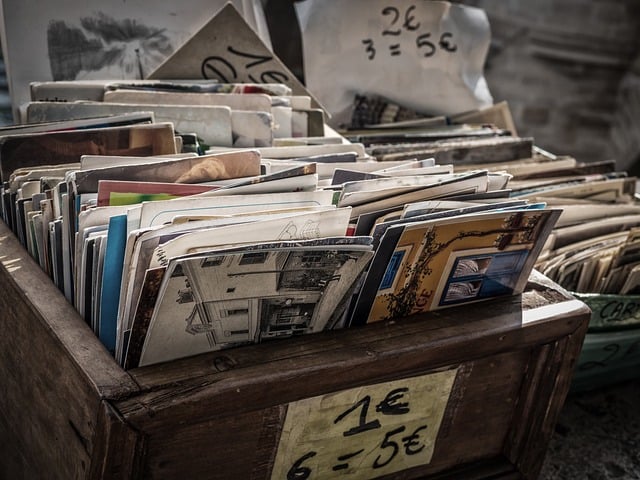
When managing artwork for international distribution, maintaining the integrity of the visual content is paramount. To ensure that UK art catalogs and exhibition brochures translate seamlessly across languages, it is essential to adopt a meticulous approach. Firstly, engaging specialized translation services with expertise in the art domain is crucial. These professionals not only accurately convey the textual information but also understand the cultural nuances that can affect visual elements. They can guide the layout design to accommodate language-specific character sets without distorting the artwork’s dimensions or aesthetic integrity.
Moreover, it is imperative to maintain a consistent color scheme and image quality across all translations. This consistency ensures that the artwork represents the original piece accurately, regardless of the target language. Utilizing high-resolution images and specifying color codes can mitigate the risks associated with translation-induced alterations in hues or saturation levels. Additionally, a thorough review process should be implemented to validate the accuracy of both the translations and the visual representations post-translation. This meticulous approach to maintaining artwork integrity across languages will not only honor the original artist’s vision but also enhance the global audience’s experience with UK art catalogs and exhibition brochures, thereby facilitating a successful international distribution strategy.
Strategies for Efficient Distribution and Accessibility of Translated Art Catalogs Worldwide

In an increasingly interconnected world, the efficient distribution and accessibility of translated art catalogs are paramount for global audiences. Strategies for optimizing the distribution of UK Art Catalogs must account for the multifaceted nature of the art market, where language barriers can significantly limit reach. One effective approach is to leverage specialized translation services that not only accurately convey content in multiple languages but also maintain the nuances and cultural relevance of the original text. This ensures that exhibition brochures and catalogs resonate with diverse audiences while preserving the integrity of the artwork and accompanying narratives. Moreover, implementing a robust content management system allows for seamless updates and dissemination across various platforms, ensuring that translated materials are consistently accessible to both collectors and enthusiasts worldwide. This system should be complemented by a well-planned logistics network capable of swiftly delivering physical copies to their destinations, thereby circumventing delays and ensuring timely availability at international art fairs, galleries, and museums.
Accessibility also extends to the digital realm, where UK Art Catalogs must be optimized for online viewing. By integrating advanced translation technologies, such as AI-driven language services, these catalogs can reach a broader audience, breaking down barriers to art appreciation and education. Additionally, by adopting user-friendly interfaces and responsive design principles, catalogs can be accessed across various devices, from smartphones to tablets and desktops, without compromise on the quality of the visual content or the readability of the translated text. This dual focus on both physical and digital distribution strategies underscores a commitment to inclusivity and global engagement with UK art, ensuring that exhibition materials are not just available but also approachable for an international audience.
In conclusion, optimizing UK art catalogs and exhibition brochures for global distribution is a multifaceted endeavor that requires a deep understanding of cultural nuances, linguistic precision, and strategic distribution. By meticulously translating and localizing these materials through professional translation services, artists and institutions can effectively broaden their reach and engage with diverse audiences, thereby fostering a more inclusive appreciation of the arts. Adhering to best practices that respect the integrity of the artwork across languages is paramount. With efficient strategies in place, these vital resources become accessible globally, ensuring that the rich tapestry of UK art can be understood and celebrated far beyond its shores.